Saturday, September 10, 2016

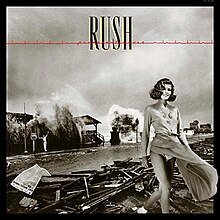
Rush- Permanent Waves

Rush- Permanent Waves: Released in 1980 for Mercury Records
Best Song- Natural Science
Rush's Hemispheres album wasn't exactly a raging success. With progressive rock's decline in popularity, (Thanks, ELP) it only charted number 47, though "The Trees" would become quite popular. After going on the long and grueling Tour Of The Hemispheres, spanning eight months and 132 gigs, from October 1978 through June 1979, Rush went into Le Studio (Quite a creative name) in Quebec in September to record their seventh album, Permanent Waves.

The sound would be mostly the same "Progressive hard rock" sound of the previous albums, but there would be some differences. The most notable was, unfortunately, for the worse. Throughout the 1970s, Geddy Lee was known for his raw, high voice, with tons of awesome high range power and control, and he put it to amazing use, becoming one of my favorite singers (Only second to Freddie Mercury). Unfortunately, it didn't last. During the Tour Of The Hemispheres, the years of overtouring (In the previous four years, they had played over 600 shows!) finally caught up with him, and his voice gradually began to weaken. By the end of the tour in June 1979, the high range power he had used to great effect had dissipated into nothingness, his highs now sounding weak, airy, and strained. Thus, Geddy keeps to his mid-range throughout the album, and doesn't deliver any stand-out performances (And wouldn't for some time).  The second change was within the songs themselves. Though they were still proggy hard rock, there was now more poppiness, with greater emphasis on catchy hooks and melodies. This would allow the album to become their most successful to that point, and allow them to become rock superstars. 

And it definitely deserved it. Despite the deficiencies in Geddy's voice, the band's instrumental skills are still top-notch, with Alex still providing killer riffs and solos, Geddy giving us great bass lines, and Neil providing more powerful drumming. Much more importantly, the band's knack for melody has remained, and every song ranges from good to masterwork. The result is an absolute classic, and one of my favorite Rush albums.


The album, of course, starts with two mega-hits, "The Spirit Of Radio", and "Freewill". And both are top-notch. "The Spirit Of Radio" is definitely one of my top 10 Rush songs, and my third favorite "non-epic".  The song is a 4-part mini-suite in itself, despite being 5 minutes long. And it's GREAT! The song starts off with an EPIC intro, with an awesome, downwards guitar line being joined by the full band, with powerful drumming, held out chords, and synth strings, that combine to create an AMAZING burst of energy to start off the album. Then, we go into the "heavy" section, with a killer guitar riff, before going into the main song. And it's a great one. Geddy sings the ode to radio and music in general, the guitar riff is top-notch, Neil's drumming fits well, the chorus features a neat synth groove, and the synth strings add extra depth. Next is an EPIC guitar solo with only two notes, before we go back into the heavy guitar riff, and then we go into a reggae section (!!) which provides a nice catch-your-breath moment (Complete with lyrics ripped from "The Sound Of Silence"!) before we go back into the heavy riff, with crowd cheering in the background (On the words "concert hall"!), then we do it again! Then there's a KILLER shred solo from Lifeson, before we close with a return of the opening riff. An amazing piece, and a great way to start the album. Also would work excellently as a live opener, and in some respects, is one of the quintissential Rush songs.

"Freewill" isn't much worse, however. The song blasts out of the gate with a powerful guitar riff, before leading to the main song. The bass-driven melody, with lyrics that attack astrology and all that jazz, is playful and fun, the synths provide extra depth once again, the pre-chorus features a great arpeggio guitar line, backed by powerful drumming from Neil Peart, and the chorus features one great guitar riff after another, that move in parallel with the vocal parts. Then, we go into an instrumental break! After a cool, low pitched synth growl, Geddy delivers a great, funky bass solo, before Alex delivers a EXCELLENT, spacey solo, with tons of cool pitch bends and shredding. Then we go back into the chorus, with Geddy hitting some insane high notes, before closing out. A great track.

The other 4 songs aren't well-known, but they aren't any worse, and in one case even better. The first of these is the 7 and a half minute epic "Jacob's Ladder", Rush's try at Christian Rock (!), well... sorta. The song's about witnessing a rainstorm, where a ray of sunshine shines through. So, not too Christian. But anyway, it RULES, and is the second major highlight of the album, even though some parts can feel kind of derivative of earlier songs. The song starts with a cool, ominous bass riff, before Lifeson joins in with his guitar, playing a cool arpeggiated riff, and Neil with his drums. The vocals then enter, and the bass riff returns, with some nice, eerie synth lines as well. Then Lifeson's guitar just BURSTS out after the line "Distant, OVER, TURE!", and we go into a full-on heavy instrumental jam. And it's EXCELLENT! Lifeson pulls out one amazing guitar line after another (ESPECIALLY the AMAZING, epic one at 1:36, as well as the "Temples of Syrinx" riff making a return), while Lee and Peart hold down the fort with their drums and synth bass. Then, the guitar drops out, fading into some wonderful, soothing, and at the same time incredibly eerie synth lines, over which Lee sings with a REALLY cool processed vocal effect, before we go back into more jamming, Lifeson delivers a repeating 5 note riff, more synth lines continue, and Neil continues bashing at the drums, before we finish with a triumphant vocal climax. A top-notch piece, one I can come back to time and time again. 

Side Two of the album begins with two songs that are very uncharacteristic of Rush's sound, and while they're not as good as the giants that precede them (And the one that follows) they're both quite good. "Entre Nous", is a straightforward pop song, with silly love song lyrics, a rarity for Rush! But that doesn't mean it sucks. It's quite good. It starts with a great guitar riff by Lifeson, with cool, upwards synths and drums in the background, before going into the main song. The main song is driven by a great, chugging, guitar-led melody, which alternates with a pleasant acoustic section, with some pretty acoustic parts. Lee's singing  can sometimes sound awkward, but it's otherwise nice. There's also a solid instrumental break, with a cool synth solo by Lee, as well as some great guitar accompaniment. It sounds completely different from most Rush, and isn't quite as good as the songs before it, but it's good nonetheless.

Next is the ballad "Different Strings", and it's quite pretty, with a pleasant, clean guitar driven melody, with some nice piano parts (!) in the background, as well as some "glittery" synth parts. before we pick up a bit, with Lifeson delivering some good acoustic riffage, Hugh Syme providing pleasant piano parts, and great drumming from Neil, before Lee's vocals re-enter. The melody in the section is great, as the individual parts combine to create a superb atmosphere. It ends with a cool, atmospheric guitar solo, which fades out too early. A great song, though very atypical of the Rush sound.

All these songs, however, pale in comparison to the utter masterwork that follows. The 9 and a half minute, three-part epic "Natural Science" has been a song i've just loved more and more, to the point i'd consider it definitely among my top 5 Rush songs of all time, and the best song of them from the '80s and beyond. The lyrics of the song are even stupider then their other extended pieces, a bunch of lines trying to sound as cool as possible without any coherency, and some just are hilariously bad. "A quantum leap forward/in time and space/the universe learned to expand!" "Each microcosmic planet/A complete society" and others, but it doesn't matter, AT ALL. The song starts off with an acoustic intro, entitled "Tide Pools", and it RULES. Atmospheric sounds of seagulls and a flowing river give way to an UNBELIEVABLE acoustic melody. I don't exactly know why this part's really THAT great, as it's just a simple acoustic guitar melody with vocals, but the combination of the lonely, eerie guitar line, drenched in echo, the otherwordly reverb on Geddy's vocals, the water and gulls sound effects, and the desolate minimalism of the whole thing combine to create an unbelievably epic atmosphere. After about a minute or so, a arpeggiated (If i had a nickel for how many times i've used that word, i'd be a millionaire) guitar line enters, and we pick up into a harder rock section. The guitar line is great, and Neil's drumming is powerful as ever, 

But then, whoosing synth noises bring us to the absolute best chunk of the piece, and one of my favorite Rush chunks, section two, "Hyperspace". Lifeson delivers a FANTASTIC, menacing guitar riff, the fade in effect on Geddy Lee's vocals is INCREDIBLE (it sounds like he's CALLING FROM ANOTHER TIME, warning us about how are mistakes will effect us in the future, or something pretentious like that) and Neil's bashing up a storm underneath, creating TERRIFIC intensity that, like many other Rush songs, sounds like the world's crumbling down around you. We have a short, great synth solo, backed by more great guitar and drums, before another verse, backed by R2D2 sounds! Then, a short drum solo, Alex Lifeson gives us a INSANE shred solo, one of my favorites, we go back into the "Tide Pools" melody, with much more intense drumming underneath (In fact, during this whole section, the way the drums and guitar parts combine is a terrific arrangement, note particularly how they mesh at the end of the first synth solo). 

Finally, we close out with the third and final section, "Permanent Waves". Lifeson delivers more great guitar lines, though the synths kinda get in the way, before Geddy's vocals enter. In this section, we have more top-notch guitar melodies, and more top-notch guitar/drum interplay (!!). We go back to the opening melody of this chunk, then back to the verse melody again, and the transition is seamless. Alex then delivers another killer shredding solo, backed by Geddy's bass, before another verse. Finally, the song ends with Lifeson delivering another FANTASTIC, menacing guitar part, with MORE great drumming from Neil, before ANOTHER intense part, backed with more cool, otherworldly vocals, before finally closing out with the sounds of a tidal wave. An amazing, simply AMAZING piece of music, one of their best. It would get even BETTER live, but this is top-notch.


And the same can be said about the album. Geddy's voice might have deficiencies, but between the awesome playing, top-notch melodies, and amazing songs, this is definitely one of my favorite albums of the band. Must own. 5/5. 


Friday, August 12, 2016

Queen- Queen II


Queen- Queen II: Released in 1974 for EMI
Best Song- White Queen (As It Began)

Despite the flop of Queen I, Queen weren't going to give up very soon. They went on a tour of the UK throughout November and December 1973, supporting the wonderfully named Mott The Hoople. The tour was well-recieved.  By the end, they frequently got more cheers then the Hoople, and many said they wouldn't be a mere support act any time soon (They were right). Afterwards, they went back into the studio in August of 1973, under the wing of new producer Roy Thomas Baker, to record the even-more creatively named Queen II. The album was panned at initial release, but it has gained respect since, and is now regarded as among Queen's finest albums by fans.

And it's not hard to see why! Similarly named to Queen I, this album is even better! Continuing in the proggier vein of the debut, the album is split interesingly. All of side one is composed by Brian May (Except Taylor's "Loser In The End") and all of side two is written by Freddie Mercury (Sorry, John Deacon, you'll get your time soon) All of the band member's skills are in top form, and Freddie has his golden voice (Though it's nowhere near as good as it will be in the '80s and '90s!). Queen's penchant for diversity has also entered full-form. There's prog (Father To Son, The March Of The Black Queen) Balladry (White Queen, Nevermore), pop-rock (Some Day, One Day, Seven Seas of Rhye), a bluesy Led Zeppelin imitation (The Loser In The End) a Beach Boys imitation (Funny How Love Is) and a harpsichord rock (!) song (Fairy Feller's Master Stroke). More importantly, the songwriting is an improvement over Queen, as every song ranges from good to amazing.

The album kicks off with a heartbeat, ripping off Dark Side Of The Moon (Which was released a year prior) leading into a funeral march instrumental (!) "Procession". As unusual as it may sound on paper, it sounds good. It's a Brian May showcase, and he creates a great, somber melody using nothing but his guitar effects. The song would also work great as a live opener. 

The song is only 1 minute long, and it segues into the opening "epic", "Father To Son". And it's great! It starts off with a cool arpeggiated guitar sequence (No synths!), before going into a ballad section, which has a great melody, powerful guitar and drums, and cool phased vocals with great harmonies in the chorus. This then goes into a more upbeat, tense section, with the band doing "doo, do do do do" harmonies. This section gradually builds more and more tension, before exploding into a KILLER heavy section, driven by an AWESOME guitar riff and powerful, agressive vocals from Freddie Mercury. The song slows down for a bit, before going into a HEAVILY distorted, crazy guitar solo, almost reminding me of "By-Tor And The Snow Dog", before going into  a beautiful, piano led section, with wonderful, soft vocals from Freddie, then into a reprise of the original verse melody, then another softer section with more gentle vocals, before a great guitar solo over a repetition of the chorus melody closes us out.  A wonderful start to the album. 

And yet, it's follow-up manages to be EVEN BETTER. "White Queen" (As It Began) is a STUNNINGLY gorgeous ballad, and easily the best song on the album. The song starts off with some heavenly guitar noise, which almost sounds like it's CRYING, leads into Freddie singing a chorus over a light guitar presence, and goes into the main song. And WHAT a main song. The slow, mournful guitar riff is utterly beautiful, Freddie's soft, phased vocals compliment it perfectly, the harmonies in the "The White Queen walks" section are heavenly,  and then we go into a KILLER heavy break, with a incredible guitar tone playing a simplistic but wonderful melody, before going back into the main verse melody. Then comes an instrumental break. We start with something that might be a sitar (!) playing a great melody, with more heavenly harmonies in the background, which builds tension, before Brian May plays some more KILLER heavy chords, over Roger Taylor's powerful drumming, until we lead into a majestic, royal-sounding solo, Freddie's vocals re-enter, and we finally close out with a reprisal of the opening melody. An masterpiece.

None of the other songs reach that level, but they're still great as a whole. "Some Day, One Day" is a big surprise, a piece with Brian May on lead vocals. As a result, it sounds nothing like a Queen song, but that's not a bad thing! The opening acoustic riff is nice, the guitar solo afterwards is also good, and then we go into the main song. Brian's voice sounds very bland here, but the backing acoustic strumming is great, the phasing effects are cool, the electric guitar in the chorus sounds excellent, and it's all around a great soft-rock song. We also have some nice guitar solos, backed by MORE great harmonies. While it's very different then a typical Queen song (if such a thing exists) it's still top-notch.

The one Roger Taylor song on the album comes next, the bluesy "The Loser In The End". It's also a great one. It starts with a killer drum intro, with a powerful groove. Roger's singing is much better then on "Modern Times Rock N' Roll", using a much better, "cleaner" sound, the melody is superb, with great guitar riffs a-plenty, and the guitar solos are stellar. A great slice of blues rock.

Side two kicks off with the fantasy-hard rock of "Ogre Battle", and it's another winner. It starts with a cool fade in of various phasing effects, followed up by some BACKWARDS guitar and vocals, we then go forwards, with a top-notch heavy guitar part by Brian May and insanely high falsetto screams, before going into the main song. Freddie delivers a great, agressive vocal, the chugging guitar riff in the background is great, the harmonies in the chorus are excellent, and there's tons of cool effects throughout. and the bridge features another great guitar melody and more great singing. There's also a good instrumental section that simulates a battle, with crazy screams. It ends with a reprise of the opening. Another excellent song.

Afterwards, we go into "The Fairy-Feller's Master Stroke" based on the wonderfully titled painting of the same name. This frantic song starts out with a menacing harpsichord riff (!!!) with occasional guitar chords. The main, harpsichord driven melody (!) is great, the frantic harpsichord playing is wonderful, the guitar parts compliment it perfectly, the harmonies are excellent, the cheerful chorus creates a nice contrast, Roger Taylor hits some more insanely high notes, and the instrumental break is superb. A top-notch song.

Afterwards, we go into the balladry of "Nevermore". Many might dismiss it as filler, given it clocks in at a mere 1:15, but WHAT a use of that time. The piano riff is great, Freddie gives a GORGEOUSLY emotional falsetto performance, and the harmonies are lovely. A great use of 1:15 minutes. 

After that brief diversion, we go into the most prog-influenced song on the album, the epic "March Of The Black Queen", and while it doesn't reach the heights of "Bohemian Rhapsody" a year later, (The flow of the sections is much patchier, and the melodies are far from the masterpiece) it's still a great epic.  It starts with an excellent, menacing piano riff, the harmonies EXPLODE out of the shadows, before we go into a nice acapella section. Freddie's voice is good, and the harmonies wonderful. After just 20 seconds, we go into another more menacing section, with a pounding riff over dense harmonies, before shifting again into another, fast-paced piano driven part. The piano melody is great, even if Freddie's falsetto singing sounds kinda stupid at parts. We also get a pair of great guitar solos as well. I also swear I hear Freddie saying "Pika! Pika!" at one point, foreshadowing Pokemon by over 20 years! Harmonies are also wonderful.  The section builds tension, before screeching to a halt, then going into a beautiful ballad section. Freddie puts on an excellent emotional performance, the slow piano melody is great, the harmonies are AMAZING, and it's a great ballad section overall, even if it's very similar to "Nevermore". After even more dense harmonies, we go into a KILLER heavy section, driven by a GREAT guitar riff, MORE great harmonies, and top-notch agressive singing from Freddie. We finally end with another fast piano section, with more great harmonies and singing. A great epic piece.

However, after the harmonies, a piano riff starts to play, and we go into the best Beach Boys imitation this side of "Back In The U.S.S.R", "Funny How Love Is". The piano-driven melody is wonderful and januty, Roger Taylor's percussion melody adds great weight to the melody, the arrangement is densely packed with instruments, Freddie puts on a excellent, high-register vocal performance (I LOVE the note he hits on "Funny, how LOVE, is every song in every key"), the harmonies are wonderful as always, and it's an all around great Beach Boys imitation. 

We finally close out with the band's first ever big hit, "Seven Seas of Rhye". It's not hard to see why. The piano arpeggio riff is great, Freddie adds the right amount of grit to the vocals, Brian May's playing some great guitar lines (I LOVE the chugging riff which pops up from time to time), and also does a wild, high pitched solo, Roger Taylor's drumming is powerful, and the harmonies are denser then a neutron star. (Sorry for sounding so much like a broken record, but the vocal harmony layers on the album are marvelous throughout). And it all ends with a creepy rendition of the nursery rhyme "I Do Like To Be Beside The Seaside". A great introduction to the music world for most.

Overall, this is just a fantastic album. A wonderful combo of top-notch melodies, brilliant vocal harmonies, great singing, and diversity. 5/5.


Wednesday, July 20, 2016

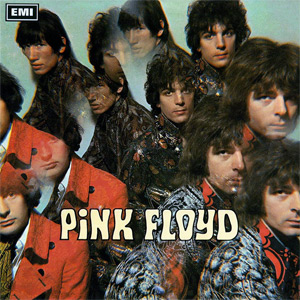
Pink Floyd- The Piper at The Gates of Dawn

Pink Floyd- The Piper At the Gates of Dawn: Released in 1967 for Columbia Records
Best Song- Astronomy Domine

In the beginning...
In 1963, Roger Waters, Nick Mason, Richard Wright, Keith Noble, Clive Metcalfe, and Sheliagh Noble formed a sextet entitled Sigma 6. The band changed their name to The Meggadeaths (No relation to Megadeth), the Abdabs (No relation to the dab), the Screaming Abdabs, Leonard's Lodgers, and The Spectrum Five, before settling on The Tea Set. Metcalfe and the Nobles left the band, with Chris Dennis becoming the new lead singer, and Bob Klose and Syd Barrett added on guitar. Richard Wright played keys, Roger played bass, and Nick played the drums. Dennis and Klose left in 1965, so Syd Barrett took vocal and guitar duties, in a band now known as the Pink Floyd Sound, then just Pink Floyd. The lineup stabilized as Syd Barrett on vocals and guitar, Roger Waters on bass, Richard Wright on keyboards, and Nick Mason on drums. The band played R&B covers at the time (Yes, PINK FLOYD did R&B) but by 1966, they started composing originals, with a much more psychedelic sound.

In 1967, the band signed with Columbia Records. After releasing two hit singles ("Arnold Layne", and "See Emily Play") they went into EMI Studios and recorded their first album, produced by Norman Smith, which is the topic of today's review.

For those of you who know of Pink Floyd for their classic progressive rock albums, such as The Dark Side of the Moon and The Wall, you'd definitely be shocked to find that this album consists of straight-forward, spacey psychedelic rock. This is due to the influence of Syd Barrett, who wrote every song on this album, except "Take Up Thy Stethescope and Walk" (What a delightful title) written by Roger. And for those of you who know them for angsty lyrics like "All you touch and all you see, is all your life will ever be", you'd be shocked to find the lyrics of this album are mostly in the vein of "I've got a bike, you can ride it if you like" or "That cat did something I can't explain".

Okay, enough of that, time for the quality. Well... it's patchy. There's a lot of good stuff, but lots of weaker, more fillerish stuff. Oh well, everyone's gotta start somewhere. Syd Barrett has a great guitar style, and Richard Wright is already an excellent keyboardist. Syd's singing isn't the best, but it isn't bad, and his voice mixes with Richard Wright's very well.

The album actually gets off to a great start. We start off with the fan favorite and live staple "Astronomy Domine". The opening radio transmissions (Provided by manager Peter Jenner) do a great job of building tension, which then leads into a great, menacing four-note riff, before we go into the main song itself, driven by great chugging guitar lines, Syd Barrett and Richard Wright's harmonised singing, and powerful drumming. After a verse, we go into a bridge, with a cool, spacey descending guitar line leading the way. Then, when you would expect another verse to come in, we instead go into an instrumental jam, with some more cool guitar sounds, a ripping, spacey guitar solo with tons of cool sounds in the background, before we go back into the main verse, which finally slows down into a effective resolution. A great start to the album. 

Next up on the agenda is "Lucifer Sam", which is about a cat (Yes, they did a song about a cat) and it comes very close, but doesn't quite reach the level of "Domine".  It is driven by a AWESOME descending guitar riff which almost sounds like something out of James Bond, backed by Syd's menacing vocals, WICKED percussion and bass effects. We then go into a VERY cool bowed bass (!) solo, before more repititions of the verse.  It could be a bit longer, and the chorus is kinda dumb, but oh well.

Next is another Wright/Barrett duet, "Mathilda Mother", a song about a mother reading fairy tales to her kid. (Reminder that this song was made by Pink Floyd) The verses are led by a great, hypnotic organ theme, with Wright's affected vocals on top. The chorus is more upbeat, with a great repeating guitar line joining Syd and Rick's pleasant harmonised vocals. There's also a cool, heavily distorted organ solo. We end with some trippy harmonising. Another good song. 

"Flaming" is up next. While it might come as a tremendous shock to hear the band sing "watching buttercups come to life" or "Sitting on a unicorn" the song itself is good, driven by a driving organ theme, with upbeat drumming in the background, which then goes into a more pleasant chorus, driven by a nice upbeat guitar line and cool sound effects in the background. A nice slow organ solo follows, with more wacky sound effects, with some great piano and guitar parts, before the chorus again. 

So far, we have what seems like a 5/5 album. Great songs wall-to wall, even if there's significant unintentional comedy value from the lyrics. Unfortunately, the album gets much patchier from here on out. The first sign of trouble comes in "Pow R. Toc H.". The "song" if you can call it that, is essentially just Roger and Syd making tons of dumb sounds which almost remind me of kids imitating monkeys at the zoo, and there's almost no coherency to the melody either.  A pleasant enough piano solo in between the tomfoolery, and the ending's nice, but that's the only redeeming quality. A disaster of a song.


Thankfully, the next song is better. "Take Up Thy Stethescope and Walk" is penned and sung by Roger Waters, the only song on the album to be that way. His voice is completely different from the one we know, sounding almost exactly like Syd. It starts off with powerful drumming over which Roger sings stupid lyrics, but what really makes the song great is that soon turns into a WILD jam, with KILLER, super fast organ soloing from Rick and CRAZY guitar soloing from Syd. This jam only lasts 2 minutes or so, but it could last much longer. We end with a reprise of the opening melody. A great song that eases the pain from the terrible last track. 

Sadly, the next song is worse than even "Pow R. Toc H.". "Interstellar Overdrive" actually starts off great, with a cool descending guitar riff leading the way which turns into a great guitar led jam, with cool organ noises as well. That's the first 2 minutes. However, afterwards, it fades out, and the remaining eight minutes are just a meaning-less avant-garde jam with no rhyme, reason, or melody, just... noises. For EIGHT MINUTES. Why, Syd, why?

"The Gnome" comes next, a silly story about a Gnome. This song contains a pleasant enough acoustic guitar melody, as well as cool reverbed vocals in the "look at the sky... look at the river" section, but it's nothing special. At least it's better than "Interstellar Overdrive".

"Chapter 24" follows, with lyrics taken from I Ching (!). It's much better than the last two, with a hypnotic vocal performance by Syd Barrett being backed by equally hypnotic, lazy guitar and keyboard parts, which make this a great song to fall asleep to (That's not an insult), and the harmonies in the "sunrise, sunset" section are beautiful. Great organ soloing from Richard Wright as well, as well as a wonderful portion near the end where Syd and Rick alternate their pleasant vocals with a brilliant countermelody. A great song that eases the pain (Though "The Gnome" isn't really painful per se) of the last two. 

"Next up is another very short song, "The Scarecrow", which clocks in at a mere two minutes, about a Scarecrow (Another reminder that these are the men who made The Wall, sans one). It starts with a neat, easterny organ riff, which alternates with another passage featuring a great guitar riff, good singing from Syd, and nice harmonies joining in from time to time. A cool, high pitched organ solo follows, and then... nothing? After the solo there could easily be a few more choruses, but it trails off into nothingness, with no resolution at all! That kinda hampers my enjoyment of the song, but it's good while it lasts.

And then, there's "Bike", which ends the album on a VERY low note. The main melody and vocals are just STUPID, the backing instrumentals are almost non-exisistent at parts, the sound effects throughout are lame, the song somehow manages to be overlong and rambling despite being only two minutes long, and the remaining minute adds to the pain by just featuring a bunch of cartoony sound effects. A very low end to a quite patchy album.

Overall, this album is very inconsistent, with lots of weak songs, and some that are among their worst.  However, there's quite a few good ones, and a few that I love. However, there's still lots of bad, so a 3/5 seems in order. Get it for the good stuff, and skip the bad. Sadly, it wasn't until 1972 when they finally gained more consistency, patchiness abounds over the next few.

However, those next few albums would be missing a very crucial figure...

Sunday, July 10, 2016

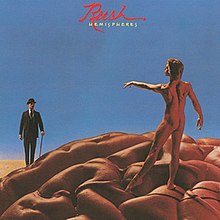
Rush- Hemispheres


Rush- Hemispheres: Released in 1978 for Mercury Records.
Favorite Song- Hemispheres.
A Farewell To Kings was a sizable hit for Rush, charting number 33 in the US and number 22 in the UK, definitely thanks to the success of the hit single "Closer to The Heart", which has become one of their signature songs. Riding the wave, Rush re-released their first three albums in the box set Archives, and toured relentlessly from September 1977 all the way through May of 1978. After the extensive tour came to an end, Rush went back into Rockfield Studios, under the wing of Terry Brown, to record their sixth album, Hemispheres. It continued the Farewell to Kings format of two epics book-ending shorter songs, and continues it's "Progressive hard rock" sound. However, while A Farewell to Kings featured 4 shorter songs, Hemispheres features just 2. The instrumentation, by this point, has become incredibly diverse, with Geddy playing bass, vocals, synth, (a Minimoog and Oberheim Polyphonic) and bass pedals, Alex playing electric, acoustic, and classical guitar, and synth, and Neil playing drums, glockenspiel, bell tree (!), bells, tympani, gong, cowbell, temple blocks (!), wind chimes, and crotales (!).

As for the album itself, it's just as good as the masterpieces that came before it, as Rush continues to stay at their peak. Geddy's voice is just as powerful and screamy as ever, and the instrumental machine is still crankin'. Synths continue to slowly creep into the bands sound, but they work, providing a solid backing for the main guitar parts. And the songs themselves are all astounding, ranging from great to masterpiece. 

The masterpiece comes from the title track, Rush's last side-long epic, and definitely the second best Rush song of all time, only behind "2112".  The story of the song is garbage,  and makes "2112" look like a masterpiece of fine literature. Here is is, as paraphrased from Wikipedia.

"Apollo represents the left hemisphere of the brain, Dionysus the right. They pull man in opposite directions, towards Order and Chaos, respectively. The debate between classical and romantic cultures is ongoing. The explorer from "Cygnus X-1" enters Olympus, frightened by the fighting, and is declared Cygnus, the God Of Balance. Jane Austen's Sense and Sensibility is quoted in the last few lines of the song"

Though the story might be just Greek God fanfiction, the song itself is a masterpiece. The song bursts out at you immediately, with the opening guitar cords of "Prelude" sure to blow out your speakers if you're not prepared. The melodies in this section are great. I really love the WICKED, super-menacing section near the start, as well as the relaxing, ambient guitar lines that are later featured in Parts II and III. All of the melodies eventually get reprised later in the song, a tradition of Rush's big epics. After 2 minutes, this section fades out, but a soft, synth driven part continues in the background, which sounds really nice, with some pretty good bass-lines. The guitar then enters, and goes into a section that reminds me of "Xanadu"  The vocals enter around the 3 minute mark, and they're incredible, with Geddy screeching out the lyrics like only he can.  The guitar lines in the background are also really good, with a nice chorus effect on them, a first for Rush. The section continues, with more great guitar and synth lines. This section then fades out, and you might think the song is over right there.

However, it's not the end, merely the beginning, as we go into the second part of the song, "Apollo: Bringer of Wisdom". This section is great, alternating between a hard-driving section and a slower, relaxing, pleasant section, with a nice guitar melody with a neat chorus effect. Both sections are great, and the transition is seamless. We then go into the next part of the song, which reprises the basic melody of the lyrical part of Prelude, and it's just as great here as there. The vocals are also really good here. The guitar solo in this part is great too, bordering on shredding, but it doesn't sound excessive, more fitting in with the song, and not "Look at me, I can play guitar really fast". 

We then go into the third part of the song, "Dionysus: Bringer Of Love". This section has the same basic melody as Part II, and it's just as great here as there. Afterwards, things get much more menacing, as we head into the fourth part, "Armageddon: The Battle of Heart and Mind". The guitar riffing in this section is KILLER, especially the arpeggio lines early on, the pleasant synth lines provide some nice accompaniment and contrast, and Geddy's forceful singing complements it perfectly. We then go into a more upbeat section, which is also really good, with more great melodies (with a reprisal of the Cygnus X-1 theme at one point) and singing (I love the way he sings "Spiraled through that timeless SPACE, into THIS! IMMORTAL!  PLAAAACE!"). 

However, as great as these parts are, they simply can't compare to the centerpiece of the song, the beyond amazing "Cygnus: Bringer of Balance". All of the instruments cut out, leaving just some STUNNING, eerie beyond belief, and WONDERFULLY ATMOSPHERIC synth lines. The vocals then enter, with an INCREDIBLE sounding, otherworldy effect put on them, and the soft vocal lines add to that effect perfectly. We then go back into a reprise of the Prelude, with Geddy singing tons of REALLY POWERFUL vocal lines. Then comes a cool guitar solo, and then, a reprise of another part of "Apollo/Dionysis", another great instrumental section, and a "big rock ending". Wow!

We finally close out with an acoustic outro, "The Sphere: A Kind Of Dream". And it's beautiful,  driven by some wonderful soft vocals and pleasant guitar lines, even if it feels a bit tacked-on. Also, I know I don't care much about lyrics, but I have to say that the lyrics in this section are GREAT. A nice end to a masterwork of music. 

The other songs are no slouch, however. The riff-rock of "Circumstances" is up next, and it's another strong track, driven by 2 great guitar riffs (Yay!) over which Geddy sings some of the most feminine-sounding vocals he would ever do, as well as more powerful, strong screeches in the chorus, with great vibrato. The instrumental section is great too, driven by some pleasant bell and synth parts, before going into a heavier section, which also sounds great, with great guitar lines. 

The mega-hit of the album, of course, is "The Trees". Part of the song's fame, of course, comes from the ambiguity of the lyrics. Is it an unironic tale of trees arguing, stupid as it sounds, or an allegory for Communism? The choice is yours. Personally, I lead towards the former, as Neil said it himself, and I believe his word. Sure, it's kinda strange, but if Bowie could write a song about his girlfriend crawling into a TV, and if Led Zeppelin could write songs about Lord of the Rings, then why can't Rush write a song about trees arguing? Lyrics aside, the song is a wonderful one. The song starts off with a pretty acoustic intro, with Geddy doing some very low vocals. The song then BLASTS out into a heavier section, with great guitars and vocals. The instrumental section is nice too, starting with some neat quiet guitar, synth, and bells, with some cool synth-bass bursts as well, then shifts into a more uptempo section driven by a great riff, powerful drums, and nice bass. It goes back into a heavier section, with nice bell breaks, and more excellent guitar, before going back to the main song. The ending is awesome as well. ("BY HATCHET. AX. AND SAW!").

We close things out with Rush's first instrumental, and one of their most well-known, "La Villa Strangiato", based on a dream of Alex. It's definitely Rush's most complex, going through 12 different sections in 9 minutes (Some only 10 seconds long!). We start with "Buenas Noches, Mein Froinds", which is a neat, Spanishy acoustic intro. "To Sleep, Perchance To Dream", starts with a neat repeated guitar sequence, with fat synths and bells, and it's good, even if it sounds a bit cartoonish. Neil also plays some cool drums in the background. The song builds in intensity, building more and more tension as all the instruments get louder and louder, before going into the main section of the part, "Strangiato Theme". Driven by a wonderful guitar riff, great synth lines, and powerful drums, with two cool guitar solos as well. "A Lerxst In Wonderland" follows, driven by a drum beat over which Lifeson plays some REALLY cool spacey guitar, which leads into a cool, shredding solo, before going into another laid back section, with some very fat, bassy synths leading the way. 

Lifeson's guitar then BURSTS out, as we then head into "Monsters!". This section has a fast, powerful riff, which was actually ripped off of Raymond Scott's "Powerhouse" (Which you may know from Looney Tunes). "The Ghost Of Aragon" comes next, which begins the jam section of the song, with great guitar, drums, and bass, all playing off of each-other to create tons of cool sounds. "Danforth And Pape" continues the jam, with more guitar, bass, and drum interplay, with all doing tons of WILD soloing. "The Waltz of The Shreves" (What a delightful name) is a waltz, and features one killer riff after another, "Never Turn Your Back On A Monster!" is a slow reprise of the "Powerhouse" riff, which is then reprised in the fittingly titled "Monsters Reprise". We finally close out with a reprise of the main Strangiato theme, fittingly titled "Strangiato Theme Reprise" (How creative), before "A Farewell To Things" sends us out with a reprise of the Monsters riff. Overall, a great, VERY complex instrumental, though "YYZ" is better.

Overall, another fantastic album from everyone's favorite Canadian rock band (Sorry, Nickelback). Great songs, great instrumentals, great singing, what more do you want? Despite the success of "The Trees", the album only charted number 47 in the US, though it made 14 in the UK and has since been regarded as one of their best. It definitely deserves it. 5/5. 

Monday, May 30, 2016

Queen- Queen I

Queen- Queen I: Released in 1973 for EMI
Best Song- Liar
First, a brief history lesson. In 1968, vocalist and bassist Tim Staffell, guitarist Brian May, and drummer Roger Taylor formed a band, entitled Smile. They released a single entitled "Earth", but it sank. In 1970, Staffel left the band. They hired Freddie Bulsara (Not Freddie Mercury yet!) of Wreckage and Ibex as the new vocalist, Mike Grose on bass, and changed their name to Queen. They cycled through many bassists, going through Grose, Barry Mitchell, and Doug Bogie, before settling on John Deacon in 1971. They played all across the UK, struggling to find a record deal, before finally getting signed to EMI. The band then went into Trident Studios in June 1972, and recorded the creatively titled "Queen 1", produced by John Anthony.

 Now let's move on to the album itself. Despite the fact that the band was new, they still had all of their talents in place. Freddie Mercury was already an incredible vocalist, Brian May a great guitarist, Roger Taylor a stellar drummer, and John Deacon a super bassist. The band's incredible diversity is also here. As for the songs themselves, most are written by either Mercury ("Great King Rat", "My Fairy King", "Liar", "Jesus", and "Seven Seas Of Rhye...") or May ("Keep Yourself Alive", "Doing All Right", "The Night Comes Down", and "Son And Daughter") with "Modern Times Rock And Roll" written by Taylor. Also, with one exception, they range from good to amazing. Also to note is that songs are much more complex, often bordering on prog rock, than their later, poppier songs.

The album starts on a great note with the rocking May-penned "Keep Yourself Alive", with it's guitar fade-in intro. It's a stellar song, with not one but TWO stellar riffs, great guitar work throughout, including two solid solos, and an effective key change at the end. It also has a drum solo, but unlike most, it's actually good, as it's short, and holds down a solid rhythm. A great way to be introduced to the band.

 The prog rock influences are highly apparent in the second song, "Doing All Right", which was actually written in the Smile days. The opening theme is simply gorgeous, with beautiful piano and guitar lines, and wonderful soft falsetto from Freddie Mercury. This then picks up with a drum beat, and Freddie using his regular voice. This main song continues, with great harmonies. This then shifts to another melody, with cool phasing effects on Freddie's voice and a nice acoustic backing. The song then really picks up steam with the acoustic getting swapped out for electric, with May doing some KILLER Page-esque soloing. After just 20 seconds of that, harmonies lead us back into the pleasant acoustic melody. And THEN, we go back into the heavier section, with MORE great soloing, and finally close out with some gorgeous harmonies. An excellent song.  Quite a long description for a song only 4 minutes long! 

Next up is the Mercury-penned "Great King Rat", one of his fantasy stories. The song opens with a KILLER guitar intro, with heavy feedback, before going into the main song. This main song has a great, fast paced melody with aggressive Mercury singing, and it really rocks. The lyrics are kind of stupid, but oh well. We then enter a cool guitar solo,  with heavy wah-wah. The song gets a bit slower, with another great melody driven by a nice guitar part and more great singing from Freddie.  The song then goes back to the original melody for a time. After some great guitar scales, we shift into yet another section driven by a KILLER riff, (Possibly one of my favorite May parts!) which then transitions into YET ANOTHER great solo, coupled with Mercury falsetto. The song finally fades out with a cool phased drum part. Another great work of complexity, which demonstrates their great knowledge of mood shifts even at this early stage. 

Side one of the album closes out with "My Fairy King", again penned by Mercury (And apparently, the lyrics inspired his stage name!), with more fantasy-oriented lyrics. It opens with more great guitar, which then shifts into a upbeat section, driven by  great piano playing and ear-piercingly high falsetto (Which sounds EXACTLY like the intro to "Highway Star"!) from Roger Taylor! The vocals enter, but the song is let down somewhat by the fact that Freddie uses a very un-natural vocal tone for this part, which doesn't sound good at all, though Freddie starts singing in his natural voice after a time. Also to note is how INCREDIBLY complex the harmonies in this section are, they give the opera section in "Bohemian Rhapsody" a run for their money! We then shift into the main song section, and it is great, driven by a great piano part and more complex harmonies. The song slows down into a pleasant ballad section, with pretty piano and Freddie falsetto, with cool echo effects. The song then shifts into a more upbeat guitar led section, with yet more great piano parts, which gradually speeds up and gets more and more frantic, before slowing down again, and ending with another pretty ballad section. Excellent song. 

The next song, however, is the highlight of the album, the 6 and a half minute "Liar". The song starts with a great drum intro, which leads into a great guitar-led section driven by an INCREDIBLE guitar riff, with some organ in the background, before the vocals enter. This section is a softer one, with great guitar parts (With a great tone), and harmonies. We then shift into a reprisal of the opening melody, followed up by another vocal section, with great vocal harmonies and guitar, which then shifts into another vocal section, which demonstrates Mercury's diversity. He sings some lines in soft falsetto, then SCREAMS out "LIAR, LIAR" and then sings the third one BACK in soft falsetto. Now that's dynamics! We then shift into yet another section with great harmonies, followed by a great guitar solo. My favorite part of the song, however, is the end. After the band screams out "LISTEN!" all instruments cut out, except for Roger repeating a passage on the woodblock, and Freddie's vocals. The tension starts to build, with Roger switching over to his drum kit, Brian adding a chugging guitar part, while the vocals get more and more frantic, before finally releasing with a killer heavy section, with GREAT guitar and bass (!) riffs, which then slows down with Freddie repeating "All day long" over again, and finally finishes with another section driven by great guitar and aggressive singing, closing out with a "big rock ending". What a song! 

The next three songs are much simpler, but no less great. The first is May's "The Night Comes Down". Opening with a REALLY COOL guitar part, backed by an ascending cymbal roll, we then switch to the main song, alternating a soft verse, driven by a great somber acoustic part, and a soft Mercury vocal, with a heavier chorus, driven by more stellar harmonies and a heavier guitar part. The song ends with the same really cool guitar part. It's much simpler than the other songs, but it's still good. 

The other two simple numbers are two of the heaviest Queen ever wrote, "Modern Times Rock And Roll", and "Son And Daughter". "Modern Times Rock And Roll", the only Roger Taylor penned song, is also his vocal showcase, and while I don't really like his voice (Too raspy for my tastes) it's a real treat.  What makes the song great, though, is the instrumentals, driven by a GREAT, thrashy guitar riff and other great work throughout, with solid harmonies in the chorus, as well as a solid solo and frantic piano work in the background.  Great!

"Son And Daughter" on the other hand, is May's guitar showcase (Live, it would extend to as much as 15 minutes, of which most was May's soloing), with lyrics about feminism. It's very heavy, almost like Black Sabbath, but all the better for it. The main slow riff is GREAT, Freddie puts in raw aggression into his singing, and even John Deacon's bass gets involved, adding even more depth and body to the sound, and the band still uses their heavenly three-part harmonies, especially in a part where they're acapella, which sounds awesome. The song closes out with a great, high pitched guitar solo, which gradually increases in speed before fading out. Another highlight. 

However, the same can not be said for the next track. "Jesus" is their attempt at Christian Rock (!) and it completely falls flat. The melody in the verses sounds like a rejected song from Jesus Christ Superstar, (That's not a complement), the vocals are hardly on time with the bland instrumentals, and the chorus is utterly ridiculous. Thankfully, the song gets good near the end, with a really cool guitar solo leading into a great heavier section with FEROCIOUS jamming, that brings to mind Rush's "By-Tor And The Snow Dog" (That's a complement)  Unfortunately, it goes back into the crappy main song. 

We finally close with a teaser of "Seven Seas Of Rhye"'s opening! It's a lot slower than the more familiar version, but still sounds great, with nice piano lines and guitar. 

And that's the debut. The album was a huge flop, as no songs managed to chart, and the album only charted number 83 in the US and nowhere in the UK, but those people were wrong. This is a very good album, and if not for "Jesus" would have got a 5, but I can still give it a 4/5.


More than just Rush!

So you might have noticed that all my reviews are of Rush albums thus far. However, that will change! Alongside my Rush reviews, I will now post reviews of two more of my favorite bands, Queen and Pink Floyd!

Sunday, May 29, 2016

Rush- Different Stages (Disc 3)


Rush- Different Stages (Disc 3): Released in 1997 (But recorded in 1978) for Atlantic Records
Best Song- Cygnus X-1
The absolute greatest Rush live album that money can buy. This is another archive release, recorded on February 20, 1978 at the Hammersmith Odeon in London, on the UK leg of the Drive 'Til You Die Tour, supported by Tyla Gang. This was released in 1997 on the Different Stages live album, but I'm reviewing it separately, due to being a different concert. 

Side Note: Some (but not most) people have a problem with Rush's live approach. Unlike bands such as Led Zeppelin or Deep Purple, who tend to stretch out their songs into long, extended jams, Rush would mostly play their songs close to the originals. I can see why some people have a problem, but I disagree. Rush's live approach was to play the songs the same, without any excess jamming, but WITH more intensity, and power. Compare the original version of "2112" to the Passaic version, and you'll see. And it's not like they didn't jam much live- Listen to a live "Working Man", or "By-Tor And The Snow Dog" sometime!

The ONLY complaint I have of this album is that it's incomplete, cutting out "Lakeside Park" (Boo!), "Closer to the Heart" (Boo!) "2112" (BOO!) and the drum solo (Yay!). Other than that, EVERYTHING is great. The set for this concert is flawless, consisting of "Working Man" and In The Mood" from the debut, "Fly By Night", "Anthem", and "By-Tor And The Snow Dog"  from Fly By Night, "Bastille Day" from Caress of Steel, "Something For Nothing" from 2112, and "A Farewell to Kings", "Xanadu", "Cygnus X-1", and "Cinderella Man" from A Farewell to Kings. "Xanadu" and "Cygnus X-1" BOTH make my top 5, and "By-Tor" is in the top 10, so that's great!

As for the performances themselves, they're stunning. Geddy Lee has a bit of a cold, so he delays the phrasing on many songs, and lowers some notes, but he still sounds great, and the rest of the band attacks the songs with intensity. Many performances are the definitive versions. And even better, there's NO overdubs! This all adds up to the best Rush live release ever! 

As with before, the show starts with the opening riffage of "Bastille Day". The song is played much faster and more intense than the studio, and sounds great. Geddy's singing sounds a bit rough, but other than that, it's a excellent version, and the best officially released version. We then go into  "By-Tor And The Snow Dog". This is a shortened version, cutting out "Aftermath", "Hymn of Triumph", and "Epilogue", and therefore, falls behind the All The World's A Stage version, but it's still great, with powerful singing by Geddy despite his illness, and a great jam section, filled with intense soloing. 

This then leads into "Xanadu", which is extended into almost 13 minutes in length. And it's AWESOME.  The music concrete introduction exceeds the studio easily, filled with tons of cool atmospheric guitar. The arpeggio guitar riffs in the intro are played with much more intensity than the studio, as are the ones at 3 minutes in. The rest isn't any better than before, but it sure ain't worse! 

We then play "A Farewell to Kings", which is about the same as the studio, except the playing is as usual, more powerful, and on a down note, Geddy hits a very bad note on "Can we RAISE our eyes" (Sickness rears it's ugly head). "Something For Nothing" is also performed well, with Geddy NAILING the song, though it's not much better than before.

"Cygnus X-1" on the other hand, is, and is easily the highlight of the album. The tension created by the bell chimes is incredible, and really shows why this is one of my favorite Rush songs. The already wicked funk bass riff exceeds the original, courtesy of some added drum pounds.  The guitar tone, is as usual, much better than in the studio, which makes the prologue section so much better. Geddy's singing in the main song is also WAY more powerful and aggressive than the studio. The tension in Part III also far exceeds the original, thanks to the much louder, rawer guitar tone and drumming, and considering how much I liked the original, that says a lot, and Geddy's "TORN APPPPAAART!" scream is far more powerful than the original. All considered, a fantastic performance, definitely worth getting this album just for that. 

"Anthem" is up next, and it RULES. The opening riffs EXPLODE out of the gate, and the song is played with much greater speed, intensity, and sheer POWER, making it the definitive live version. Geddy's illness rears it's ugly head here (He almost speaks his way through some parts) but oh well. And plus, I like some of the alternate phrasing more than the original. So it's all good.

The main set closes out with a lengthy "Working Man/"Fly By Night"/"In The Mood" medley. "Working Man" is performed at a slower tempo than the studio, which just further increases it's metallic power. We then, as usual, enter the jam session, and as usual, it rules, filled with WICKED Lifeson guitar parts and powerful drumming. It also has a REALLY cool part where all instruments ascend a scale at once. In the middle of this jam, we  go into "Fly By Night". While it might seem like a strange choice to be combined with "Working Man", it is nonetheless performed well, even if it doesn't exceed the studio much. After the solo, we close the medley with "In The Mood" which is performed well, which Geddy screaming powerfully (Though you can really hear the raggedness in his voice. Also, WHAT exactly is he saying before the song begins? "I Wanna see you're SHRIVESHENS"? What? And what about in the next verse? Sounds like "Alright London, I wanna see your human hands". Sorry for this tangent). The live medley would usually end with a drum solo (Boo!) but as said above, it was removed (Yay!). We close out with an INCREDIBLE "big rock ending". 

We finally close out the show with a performance of "Cinderella Man". This is a real treat, as it was only performed on this tour. It's performed well, as the guitars again have much more power than the studio, making this the definite version, with the acoustic strumming replaced with electric, adding more punch, and the instrumental break also rocks more. A great finale to an incredible live album.

GET THIS ALBUM NOW.(Or, just download MP3s of these songs, as there are 2 other discs, though they're good too). This is the absolute best Rush live album ever. Incredible performances, songs, and singing combine to create a stunning music experience. Incredible. 5/5.